A roof quietly does its job every single day, yet most homeowners barely think about it until a leak shows up or a stain appears on the ceiling. Rain, wind, frost, and years of shifting temperatures gradually wear roofing materials down, so even a well-built roof isn’t immune to damage over time. Minor defects tend to creep in slowly, which is exactly why they get missed until they’ve turned into something expensive.
A lot of roofing problems start out looking harmless. A cracked tile, a bit of loose flashing, a blocked gutter- none of it seems urgent at first glance, but each one gives water a way into the roof structure. Once moisture gets into timber, insulation, or internal walls, costs climb fast. Damp conditions also invite mould, chip away at energy efficiency, and weaken structural components the longer they’re left alone.
Ignoring the early signs rarely saves anyone money. A small repair done at the right time usually costs far less than replacing rotten timbers, ruined insulation, or entire sections of the roof structure. Getting ahead of it also cuts the odds of an emergency callout during heavy rain or high wind, exactly when roofers are hardest to book.
Regular visual checks go a long way toward catching problems early. You don’t need to be a roofing expert to spot missing tiles, an overflowing gutter, or a water mark inside the house. Catching these things early gives a professional the chance to find the real cause and recommend the right fix before things get worse.
This guide covers seven common warning signs that your roof might need professional attention. Knowing what they mean helps protect your property, avoid repair costs you didn’t need to pay, and keep your roof doing its job all year round.
Why Early Roof Repairs Can Save You Thousands
Roof repairs worcester tend to get expensive because the original problem often stays hidden for weeks, sometimes months. Water rarely shows up directly under the spot where it entered. Moisture travels across roof timbers before it ever becomes visible inside the home, which makes tracking the actual leak source tricky without a proper inspection.
A single cracked tile or a bit of damaged flashing can let rainwater in gradually. Trapped moisture beneath the roof covering damages battens, softens timber, drags down loft insulation performance, and creates the perfect conditions for mould. Fixing one broken tile costs very little. Replacing structural timber, insulation, and damaged ceilings is an entirely different scale of project.
Weather plays its part too. Heavy rain, freezing temperatures, and strong winds pile extra pressure onto materials that are already weakened. Small defects that go unnoticed in dry weather often get much worse the moment winter arrives. Put off repairs through just one season, and both labour and material costs tend to climb.
Property value matters here as well. Buyers get understandably cautious when a survey turns up signs of roof damage. A well-maintained roof signals that the whole property’s been looked after, while visible defects tend to lead to lower offers or demands for repairs before a sale can go through.
Routine inspections bring their own financial upside too. Professional roofers often spot problems developing well before they show up inside the property. Swapping out a few damaged tiles or renewing tired flashing is almost always cheaper than dealing with widespread water damage down the line.
Choosing preventative maintenance over emergency repairs tends to be the more economical path. Regular inspections, quick repairs, and professional advice all help stretch out a roof’s lifespan while keeping the rest of the property safe from damage that didn’t need to happen.
Plenty of homeowners only call a roofer once a leak shows up inside the house. By the time water reaches the ceiling, the damage has usually already spread well past the outer roof covering. Acting sooner nearly always means a simpler repair, a smaller bill, and a lot less disruption.
A well-maintained roof does more than just keep the rain out. Better weather protection, stronger insulation, and lower moisture levels all add up to a healthier, more energy-efficient home no matter the season.
1. Water Stains on Your Ceiling or Walls
A water stain is usually the first visible sign that something’s wrong up top. Plenty of homeowners spot a brown mark on the ceiling and chalk it up to one heavy downpour. That’s rarely the full story. A stain like that usually means water’s been getting in for a while. Moisture travels along rafters and roof timbers before it ever reaches the ceiling, which is why tracking down the actual source needs a proper look, not guesswork.
Fresh stains tend to show up pale and yellowish, while older leaks leave darker brown patches behind. Paint might start bubbling, wallpaper can peel away from the wall, and plaster can go soft under your fingers. Every one of those signs means water’s already moved well past the roof covering.
Finding the source quickly matters a lot here. Damaged tiles, cracked flashing, worn roof valleys, and blocked gutters are the usual suspects behind water getting in. Every day that moisture sits trapped inside the roof raises the odds of timber decay, mould, and ruined insulation.
Leaks tend to get worse during long stretches of rain or freezing weather. Moisture expands and contracts with the temperature swings, slowly widening small gaps in the roof covering. Fixing the entry point early on usually saves you from a much pricier repair inside the house later.
Professional inspections check both outside and inside the property to pin down exactly where a leak’s coming from. Repairs handled at an early stage cost considerably less than replacing a damaged ceiling or structural timber further down the line.
Why Water Stains Appear
Water stains show up when moisture makes its way through the roof covering and reaches the ceiling or an internal wall. Roof leaks aren’t the only cause, though they’re by far the most common. Damaged flashing, broken tiles, worn underlay, and blocked drainage all give rainwater a route into places it should never be.
A small stain shouldn’t ever get ignored, since it almost always points to a problem that keeps getting worse with every bit of rain.
| Sign | What It Means |
|---|---|
| Brown stains | Roof leak |
| Peeling paint | Moisture behind the surface |
| Damp patches | Water penetration |
2. Missing, Cracked or Slipped Roof Tiles
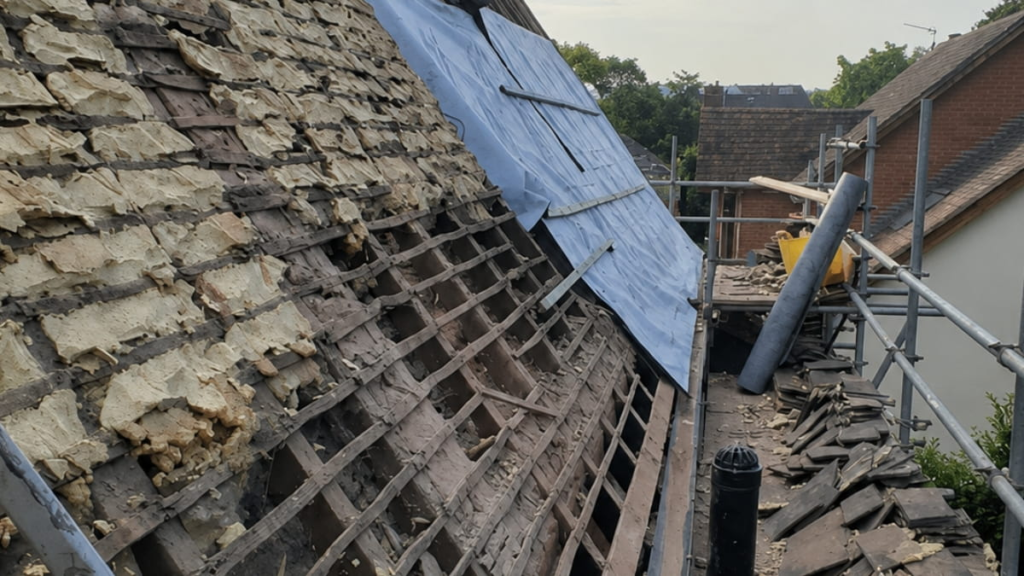
Roof tiles are the first line of defence against rain, snow, and strong wind. Every tile works alongside the next to form a weather-tight barrier over the structure beneath it. Missing or damaged tiles leave gaps in that barrier, giving water a clear path to the battens, underlay, and timber underneath.
Storms cause plenty of tile damage, but natural ageing plays a big role too. Repeated freezing and thawing gradually wear roofing materials down, making older tiles more prone to cracking or slipping out of place. Falling branches and the occasional accidental knock can damage individual sections as well.
A small gap rarely stays small for long. Wind-driven rain can push in beneath surrounding tiles, and strong gusts can loosen the tiles next to it too. Water reaching the roof structure often causes hidden damage well before anything shows up indoors.
A quick visual check from ground level catches the obvious problems. Binoculars give you a safer way to inspect without climbing a ladder. Walking on roof tiles isn’t a good idea at all, since even sound tiles can crack under uneven weight.
Getting repairs sorted quickly cuts the risk of widespread water damage and helps the whole roofing system last longer. Swapping out a handful of damaged tiles is usually a straightforward job when it’s caught before things get worse.
Why Damaged Tiles Should Be Replaced Quickly
Roof tiles protect every layer sitting underneath them. The moment one tile fails, whatever’s around it gets exposed to weather and moisture. Replacing it early restores that protective barrier and heads off further repairs down the road.
| Roof Tile Problem | Possible Result |
|---|---|
| Missing tile | Roof leak |
| Broken tile | Water damage |
| Slipped tile | Structural damage |
3. Sagging Roof Areas
A roof should sit straight and evenly supported across the whole surface. Any section that starts dipping or sagging needs professional attention right away, since it can point to structural weakness underneath the roof covering.
Sagging tends to build up gradually rather than appear overnight. Years of water getting in can weaken roof timbers to the point where they can’t hold the weight above them anymore. Excess moisture speeds up timber decay, while poor ventilation raises condensation in the loft, which creates exactly the conditions rot needs to take hold.
Movement within the property itself can affect the roof too. Foundations settling over time, or shifting within supporting walls, sometimes puts uneven pressure across the roof frame. Heavy snow loads or past alterations done without proper structural support can also be part of the problem.
Visible sagging shouldn’t ever get written off as normal ageing. The longer the movement continues, the more pressure builds on surrounding rafters, and that can eventually threaten the stability of much larger sections of the roof.
Professional roofers check the structure from both inside and outside the property before recommending any repairs. Catching it early usually avoids much bigger structural work and a far heftier bill.
What Causes a Sagging Roof?
A few different things can lead to sagging, though prolonged water damage is one of the most common culprits. Structural movement and deteriorating timber both need urgent investigation too, since they affect the strength of the entire roof.
| Cause | Severity |
|---|---|
| Rotten timber | High |
| Water damage | High |
| Structural movement | Critical |
4. Damaged Flashing Around Chimneys and Roof Valleys
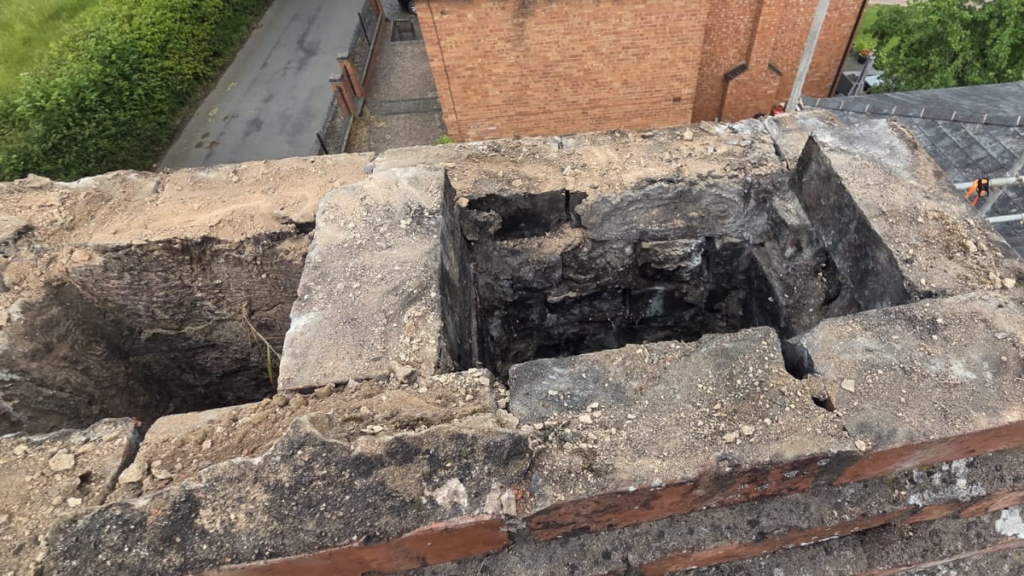
Flashing doesn’t get much attention until a leak shows up, yet it plays a genuinely important role in keeping rain outside the property. Lead flashing forms a watertight seal everywhere the roof meets another surface: chimneys, valleys, dormers, brick walls, all of it. Every one of those joints depends on flashing to stop water sneaking beneath the roof covering.
Age, weather, and everyday movement gradually take a toll on these seals. Lead expands in the heat and contracts when it’s cold. Years of that back-and-forth movement can cause small cracks, lifting edges, or gaps around the fixings. Strong wind can loosen flashing too, and poor installation can let water in far sooner than expected.
Roof valleys deserve extra attention because they collect a lot of rainwater. Leaves, moss, and other debris tend to build up there, slowing the drainage and leaving standing water sitting around longer. Even a tiny weak spot in the flashing can turn into a steady source of leaks once heavy rain sets in.
Plenty of homeowners first notice failed flashing after spotting damp patches around a chimney breast, or staining near the top of an upstairs wall. Water getting in through failed flashing often travels along hidden surfaces before it’s visible indoors, which is exactly why a professional look matters.
Replacing damaged flashing early is far cheaper than repairing plaster, timber, or insulation once water’s got in properly. Experienced roofers check every joint carefully to confirm the surrounding roof covering’s still secure and fully weatherproof.
Why Flashing Fails
Several things can cause flashing to fail, though natural ageing tops the list. Poor workmanship, severe weather, and gradual movement in the roof structure can all wear the seal down over time.
Routine inspections catch lifting edges, cracked lead, and loose fixings before they let much water through.
5. Gutters Overflowing With Roof Debris
Gutters do a lot more than just carry rainwater away. What’s sitting inside them often tells you plenty about the health of the roof itself. Large amounts of debris in the gutters can mean roofing materials are starting to deteriorate, or that recent weather’s already caused some damage.
Granules collecting in the gutters usually come off ageing roofing felt or asphalt. Broken pieces of tile point to storm damage, while heavy moss usually means poor drainage and moisture sitting around for too long. Each type of debris tells its own story about what’s happening up on the roof.
Overflowing gutters cause knock-on problems too. Water spilling over the edges can soak external walls, damage brickwork, and add to damp around the property’s foundations. In colder months, trapped water can freeze and put extra strain on gutter brackets and joints.
Cleaning gutters on a regular basis keeps drainage working properly and lets you spot roof problems much sooner. Pay attention if unusually large amounts of roofing material turn up during a clean, especially after strong wind.
Professional inspections usually take a close look at the gutters too, since they say a lot about the overall condition of the roof covering. Fixing what’s causing the debris, rather than just clearing gutters over and over, prevents bigger repairs later.
What Roof Debris Tells You
Different debris tends to point to different roofing problems. Knowing the source helps you figure out whether routine maintenance or a proper repair is what’s actually needed.
| Debris | Possible Problem |
|---|---|
| Roof granules | Ageing roof |
| Broken tiles | Storm damage |
| Moss | Moisture retention |
6. Daylight Visible in the Loft
A loft inspection can flag roofing problems long before water ever starts dripping through a ceiling. Small gaps that let daylight into the loft also give wind, rain, and insects a way into the roof structure.
Bright spots are easiest to spot during the day with the loft lights switched off. Small beams of light around roof joints, near the chimney, or under tiles usually point to damaged roofing materials or worn underlay. Bigger openings could mean missing tiles or structural movement that needs looking at straight away.
Moisture getting in through these gaps doesn’t always show up right away either. Roof timbers can soak up water slowly, letting decay set in unnoticed over months. Loft insulation also loses much of its effectiveness once it’s damp, which pushes heating costs up and drags energy efficiency down.
Doing this safely matters too. Solid loft boarding gives you the safest path through the roof space. Ceiling plasterboard between the joists won’t take your weight and should never be stepped on. Good lighting and proper footwear cut the risk of accidents while you’re up there.
Professional roofers combine loft checks with external surveys to catch hidden defects that don’t show up from ground level. Catching a small opening early almost always stops it turning into widespread roof damage.
How to Inspect Your Loft Safely
Pick a dry day with plenty of natural light before heading up. Use a stable ladder, bring a torch, and stick to secure loft boards or timber joists. Avoid touching electrical wiring or disturbing insulation unnecessarily. Any daylight you spot, damp timber, or signs of mould should get checked out by a qualified roofing professional as soon as you can arrange it.
7. Your Roof Is More Than 20 Years Old
Age alone doesn’t mean a roof’s reached the end of its life, though it’s a good reason to inspect it more often. Every roofing material wears differently, and weather conditions, installation quality, and how well it’s been maintained all shape how long a roof keeps performing well.
Plenty of roofs go on protecting a property for decades without major issues. Others start showing wear much sooner because of poor workmanship, weak ventilation, or repeated battering from severe weather. Regular inspections matter more once a roof passes the twenty-year mark, since small defects become more likely as materials age.
Older roofs often develop several minor problems at once. Individual tiles can crack after years of freezing temperatures. Mortar around ridge tiles loosens up, and flashing gradually loses its weatherproof seal. Breathable membranes and underlay wear down with age too, which chips away at the roof’s ability to keep moisture out.
Energy efficiency tends to slip as roofing materials age as well. Gaps caused by movement or wear let cold air into the loft while warm air escapes. Heating systems end up working harder to keep the house comfortable, which pushes energy bills up through the colder months.
A ground-level visual check is a decent starting point, but it won’t catch hidden structural problems. A proper roof survey covers every part of the system: tiles, flashing, underlay, ventilation, timber, drainage, the lot. Detailed inspections catch developing issues before they turn into emergency repairs.
Anyone planning to sell might also want to arrange an inspection beforehand. Buyers tend to ask about the age and condition of a roof during the purchase process. Evidence of regular maintenance and professional checks reassures them and lowers the chance of surprises turning up during the survey.
Replacing an ageing roof isn’t always necessary. Plenty of roofs just need targeted repairs to keep performing well for several more years. Professional advice makes sure repair work goes toward genuine problems rather than swapping out materials that didn’t need replacing.
When Should a Roof Be Inspected
Under normal circumstances, a roof should get inspected every two to three years. Extra inspections make sense after severe storms, long stretches of heavy rain, or whenever warning signs like leaks, missing tiles, or sagging show up. Older roofs benefit from yearly inspections, since developing defects get caught before they turn into costly structural repairs.
| Roof Material | Average Lifespan |
|---|---|
| Concrete tiles | 40 to 60 years |
| Natural slate | 75 to 100 plus years |
| Felt flat roof | 15 to 25 years |
| EPDM rubber roof | 25 to 40 years |
When Should You Call a Professional Roofer
Some roofing problems need attention right away, while others give you a bit of time to arrange an inspection before things get worse. Knowing the difference helps stop small defects from turning into expensive structural repairs.
Persistent leaks deserve a quick look, even if water only shows up during heavy rain. Moisture often travels through hidden parts of the roof before it’s ever visible indoors. Waiting until ceiling damage appears usually means water’s already gotten into insulation or roof timbers.
Missing tiles after strong wind should get sorted without delay too. Every exposed section raises the risk of rain getting into the roof structure. A temporary fix might cut down on water getting in for now, though a permanent replacement should always follow as soon as possible.
Sagging sections, damaged flashing around chimney repairs worcester, gutters overflowing with roofing debris, and daylight showing up in the loft all mean it’s time for a professional inspection. Every one of these warning signs suggests the roof needs a closer look to find the actual cause, not just a patch over the symptom.
Qualified roofing contractors know how to spot problems that homeowners often miss. A detailed inspection checks both the external roof covering and the structure supporting it underneath. Clear recommendations help you decide whether repairs, maintenance, or replacement makes the most sense long-term.
Getting professional advice early nearly always costs less than an emergency repair after significant water damage’s already happened.
How KC Roofing Services Can Help
Keeping a roof in good shape takes more than the occasional repair. Reliable workmanship, accurate inspections, and honest advice all matter when it comes to protecting a property year-round. KC Roofing Services offers a full range of roofing solutions for homeowners across Worcestershire, handling everything from minor defects through to complete roof replacements.
Roof repairs remain one of the most requested jobs. Damaged tiles, leaking roofs, worn flashing, chimney repairs, and storm damage can all be assessed by experienced roofing specialists. Careful diagnosis makes sure the real source of the problem gets fixed, not just the visible symptom.
Older roofs that have reached the end of their working life sometimes need a full replacement. KC Roofing Services fits new roofs using quality materials suited to both traditional and modern properties, with every job focused on durability, weather protection, and long-term performance.
Emergency roofing services are available too, for whenever unexpected damage leaves a property exposed to the weather. Fast attendance helps limit further water getting in while permanent repair work gets arranged.
Free roof inspections let homeowners understand exactly what condition their roof’s in before making any big decisions. Detailed assessments flag developing problems, walk through the available repair options, and offer clear recommendations without any pressure.
Whether it’s a minor repair, a complete new roof, or urgent storm damage help you need, experienced local roofing professionals can protect your home with practical advice based on the actual condition of your roof rather than guesswork.
Frequently Asked Questions
How do I know if my roof needs repairing?
Water stains, missing tiles, leaks, or sagging areas usually mean your roof needs a professional inspection.
Can I repair a leaking roof myself?
Minor temporary fixes are possible, though professional repairs tend to be safer, longer-lasting, and more reliable.
How much does roof repair cost in the UK?
Most roof repairs cost between £150 and £1,500, depending on the damage, materials, and labour involved.
How often should a roof be inspected?
Arrange a professional inspection every two to three years, and after any severe storm.
Will home insurance cover roof repairs?
Insurance usually covers storm or accidental damage, though normal wear and ageing are rarely included.
Final Thoughts
A roof rarely fails without giving some warning first. Water stains, damaged tiles, sagging sections, failed flashing, overflowing gutters, daylight in the loft, and ageing materials all signal that professional attention might be needed. Acting quickly after spotting these signs often stops small defects turning into major structural repairs that cost a lot more to put right.
Regular inspections remain one of the simplest ways to protect both your property and your budget. Small repairs done at the right time help preserve the roof structure, improve energy efficiency, and cut the odds of an emergency callout during severe weather.
Homeowners across Worcestershire who spot any of these warning signs should arrange a professional inspection as soon as they can. Experienced roofing specialists can track down the source of the problem, walk through the repair options, and recommend whatever actually suits the condition of the roof, not just a guess.
Protecting a roof today is almost always cheaper than repairing extensive damage tomorrow. A timely inspection gives you peace of mind and helps keep your home safe, dry, and properly protected through every season.