Replacing a roof is a big expense, one of the biggest that most homeowners ever face, so it makes total sense to wonder whether a repair might do the job instead. Fixing a few tiles or patching a small leak looks like the cheaper route on paper. Here’s the catch, though: keep repairing an ageing roof year after year, and the running total can end up costing more than just replacing the whole thing outright.
So which is right? That depends on a handful of things: how old the roof is, how bad the damage actually is, what it’s made of, and how long you’re planning to stay in the house. A newer roof with one storm-damaged patch probably just needs a targeted fix. An older roof with several leaks, crumbling underlay, or structural problems underneath tells a different story. That roof might simply be done.
This guide walks through roof repair versus roof replacement, when each one actually makes financial sense, what both typically cost across the UK, and the warning signs worth knowing before you commit either way.
Roof Repair vs Roof Replacement: What’s the Difference?
Both aim to fix your roof, sure, but the scale of work, cost, and long-term payoff couldn’t be more different.
A repair targets one specific problem and leaves everything else as-is. Think swapping broken tiles, sorting lead flashing, patching an isolated leak, sealing a damaged valley, or replacing a small storm-hit section. It’s quicker, causes less disruption, and costs a fraction of a full replacement.
A replacement is a bigger undertaking. Some or all of the existing covering comes off, and an entirely new system goes on. Depending on what’s found underneath, that can mean new underlay, timber battens, ventilation, flashing, insulation, and, of course, new roofs worcester material. Yes, it costs more upfront. You’re buying decades of protection, though, usually backed by a proper workmanship guarantee.
Put simply, repairs fix individual faults. Replacement fixes the roof, full stop.
Roof Repair vs Roof Replacement Comparison
| Feature | Roof Repairs | Roof Replacement |
|---|---|---|
| Typical UK Cost | £150 to £1,500 | £4,000 to £15,000+ |
| Best For | Minor or localised damage | Widespread or ageing roofs |
| Project Duration | 1 to 2 Days | 3 to 10 Days |
| Lifespan Extension | 2 to 10 Years | 30 to 100+ Years |
| Upfront Cost | Lower | Higher |
| Long-Term Value | Moderate | Excellent |
| Property Value | Small Improvement | Significant Improvement |
| Energy Efficiency | Limited | Much Better |
Use a professional image showing an older roof beside a newly completed roof to help readers visually understand the difference between repairing an ageing roof and investing in a full replacement.
When Is Roof Repair the Better Option?
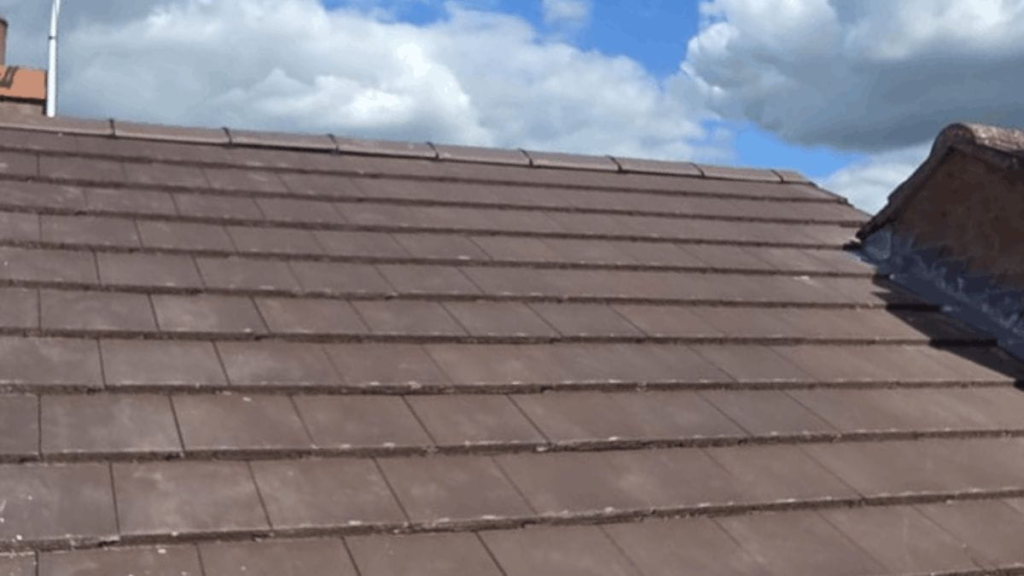
Not everything needs a full replacement. Plenty of problems can be sorted by fixing just the affected area, especially when the rest of the roof is still structurally sound.
Repairs make the most sense when the damage is contained, and the roof’s still got plenty of life left in it. Speed matters here too: act fast, and you stop water from spreading further, which usually saves you from a much pricier structural repair later.
Repair is usually the right call if:
- Only a few tiles are cracked, slipped, or missing.
- There’s one identified leak, and it’s easy to get to.
- Flashing around a chimney, valley, or junction has degraded.
- Storm damage hit just one section.
- Blocked gutters or valleys are causing overflow.
- The roof’s fairly modern and otherwise in decent shape.
- A previous inspection ruled out structural problems underneath.
Sort these quickly, and you can add real years to the roof’s life without paying for a job it doesn’t need.
Common Roof Repairs Homeowners Need
Some of the most frequent roofing repairs across the UK:
- Replacing broken or missing tiles.
- Fixing roof leaks.
- Replacing damaged lead flashing.
- Sorting ridge tiles.
- Repairing valleys and junctions.
- Flat roof membrane repairs.
- Storm damage repairs.
- Gutter and roofline work.
Most of these are done and dusted in a day, which means small defects get handled before they turn into something structural and expensive.
Why Early Roof Repairs Save Money
A lot of homeowners put repairs off because the problem seems small at first. Trouble is, roofing issues almost never fix themselves.
A small leak, left alone, slowly works moisture into the timbers, the insulation, the ceilings below. Give it enough time, and you’re dealing with mould, rotting wood, damaged plaster, and higher heating bills because your insulation’s no longer doing its job properly.
Catching things early is nearly always cheaper than dealing with years of accumulated water damage or a full roof replacement that could have been avoided.
Signs Your Roof May Only Need Repair
Before jumping to “I need a whole new roof,” check for these:
- Water stains in one spot on the ceiling.
- A handful of cracked or slipped tiles.
- Small patches of storm damage.
- Damaged flashing near chimneys or roof windows.
- One isolated flat roof membrane issue.
- Gutters are overflowing because they’re blocked.
- Small leaks that only show up after heavy rain.
Catch these early, and if the rest of the roof checks out, a repair can buy you plenty more good years.
When Is Roof Replacement the Better Option?
Repairs are great for one-off problems, but they’re not always the smart financial move. Roofs age. Constant rain, wind, frost, and temperature swings wear materials down over time, and eventually, even a well-maintained roof hits a point where repairs stop being reliable.
You’re calling someone out repeatedly, the damage is spread across the roof, or it’s simply nearing the end of what it was built to last: replacement is usually the better long-term call. Yes, it costs more now. Better weather resistance, real gains in energy efficiency, and lower ongoing maintenance come with it, though, along with a lot less to worry about.
There’s a bonus too. Replacing the roof means the contractor gets eyes on everything hidden, including battens, underlay, ventilation, and insulation. None of that’s visible from outside, yet all of it affects how well and how long your roof actually performs.
Signs Your Roof May Need Replacing
Most roofing problems creep up slowly, which is exactly why they get missed until the damage is already significant. Spotting the signs early can save you from expensive structural work and water getting into the house.
Common signs it might be time:
- Leaks are showing up in multiple spots.
- Cracked, broken, or missing tiles across large areas.
- A sagging roofline or uneven structure.
- Damp patches or water damage in the loft.
- Daylight visible through the roof boards.
- Rotten battens or crumbling underlay.
- Heavy moss build-up traps moisture.
- Repairs that keep happening but never actually fix it.
- The roof’s simply outlived its expected lifespan.
- Heating bills are creeping up because insulation is failing.
Ticking several of these boxes means it’s worth getting a professional out before deciding whether another repair’s even worth it.
Why Older Roofs Often Cost More to Repair
Older roofs rarely have just one problem. Fix the visible leak, and you might still be sitting on worn underlay, tired battens, failing flashing, or weakened structural timber that nobody’s seen yet.
That’s how you end up stuck in a repair loop, one that quietly costs more, over time, than simply replacing the whole roof would have.
A properly installed new roof clears all of that out in one go, cutting future maintenance costs along with it.
Roof Repair vs Roof Replacement Cost Comparison (UK)
Cost is what actually decides this for most people. Repairs are cheaper to start with, sure, but “cheaper now” and “better value” aren’t always the same thing.
What you’ll actually pay depends on:
- Roof size.
- Roofing material.
- How extensive is the damage?
- Labour costs.
- Whether scaffolding’s needed.
- How accessible the roof is.
- Any structural repairs required.
- Where the property’s located.
Average Roof Repair vs Roof Replacement Costs
| Roofing Work | Typical UK Cost |
|---|---|
| Replacing Broken Roof Tiles | £150 to £500 |
| Roof Leak Repair | £200 to £750 |
| Lead Flashing Repair | £250 to £900 |
| Ridge Tile Repair | £250 to £800 |
| Flat Roof Repair | £350 to £1,200 |
| Chimney Flashing Repair | £300 to £1,000 |
| Partial Roof Replacement | £1,500 to £4,000 |
| Complete Roof Replacement | £4,000 to £15,000+ |
Is Roof Replacement Worth the Extra Cost?
Bigger spend, sure, but it often works out cheaper over the years. A new roof buys you:
- 30 to 100+ years of service (material-dependent).
- Better insulation and energy efficiency.
- Lower ongoing maintenance.
- Stronger weather protection.
- A property value bump.
- A modern warranty.
- More buyer confidence if you ever sell.
Compare that with repeatedly patching an ageing roof. The costs stack up without ever actually solving anything underneath.
Repair bills that keep climbing, or getting close to a big chunk of what a full replacement would cost anyway, usually mean replacing is the smarter money decision.
How Long Does a Roof Last?
Every material’s got its own expected lifespan, though good maintenance and proper installation can stretch that considerably.
Knowing how long your roof should last helps you figure out whether repairs still make sense, or whether replacement is becoming the inevitable next step.
Average Roof Lifespan by Roofing Material
| Roofing Material | Average Lifespan |
|---|---|
| Felt Flat Roof | 15 to 25 Years |
| EPDM Rubber Roof | 25 to 50 Years |
| GRP Fibreglass Roof | 25 to 40 Years |
| Concrete Roof Tiles | 40 to 60 Years |
| Clay Roof Tiles | 60 to 100 Years |
| Natural Slate Roof | 80 to 150+ Years |
| Metal Roofing | 40 to 70 Years |
Factors That Affect Roof Lifespan
A few things influence how long a roof lasts beyond what the manufacturer promises:
- Quality of the original installation.
- Roofing material.
- Weather exposure.
- Roof pitch.
- Ventilation.
- Loft insulation.
- How well it’s maintained.
- Storm damage.
- Moss growth.
- Blocked gutters.
A well-kept slate roof can sail past its 100th birthday. A poorly maintained one of any material can fail well before its time. The material only tells half the story.
Roof Age Isn’t the Only Factor
Age on its own doesn’t tell you whether a roof needs replacing, and that’s worth remembering.
Some 50-year-old slate roofs are still going strong because they’ve been properly looked after, while a badly installed 20-year-old roof might already be in trouble.
That’s exactly why a professional inspection matters so much. An experienced contractor looks past the visible covering and checks the structural bits hiding underneath, the parts that actually determine what’s left of the roof’s lifespan.
Factors That Affect Whether You Should Repair or Replace Your Roof
This isn’t a decision based on one issue alone. A good roofing contractor worcester weighs up several things before recommending a path forward.
A leak might look simple from the outside, but what’s happening underneath the covering often tells a very different story. Age, structural condition, repair history, and remaining lifespan all come into play here.
Here’s what homeowners should really be thinking about.
1. The Age of Your Roof
The older it gets, the more likely several problems are brewing at once.
Every material has a shelf life, and once you’re getting close to it, patching individual issues stops being the economical choice. Replacement usually becomes the better bet.
Say you replace a few broken tiles on a roof that’s already 40 years old. That solves today’s problem, sure, but it does nothing for the failing underlay, tired battens, or weakened flashing sitting right underneath.
As a rough guide:
- Under 20 years old means repairs are usually fine.
- Between 20 and 40 years means it’s worth getting a professional to take a proper look.
- Past its expected lifespan means replacement’s probably the smarter call.
2. Extent of the Damage
Where the damage is, and how bad it’s got, matters just as much as age.
Small, isolated issues generally just need a repair. Damage spread across multiple locations, though, usually signals the roof’s reaching the end of its useful life.
Minor damage looks like:
- One leak.
- A handful of missing tiles.
- A local flashing failure.
- Small storm damage.
Major damage looks like:
- Several leaks at once
- Rotten roof timbers
- Widespread tile failure
- Sections of the roof are sagging
- Actual structural movement
The wider the damage, the stronger the case for full replacement.
3. Previous Repair History
Has your roof required several repairs over the past few years? It’s worth asking why.
Repeat leaks usually mean the whole system’s deteriorating, not that you keep having bad luck with isolated faults.
Rather than paying for emergency call-outs every few months, a new roof might actually cost you less over the coming years and save you the stress, too.
4. Roofing Material
Materials age at very different rates.
Slate can outlast a century without much fuss. Flat roofing generally needs replacing much sooner. A decent contractor should always check how much life the existing material has left before recommending a repair over a replacement.
5. Budget and Long-Term Value
Budget shapes every roofing decision, obviously.
Repairs cost less today, that part’s not in question. But “less today” doesn’t always mean “better value over time.” Keep those repair bills climbing year after year, and a replacement might genuinely reduce what you spend over the next few decades.
When you’re comparing quotes, weigh up:
- Upfront cost.
- Expected lifespan.
- Future maintenance.
- Energy savings.
- Warranty.
- Property value.
The cheapest quote today isn’t automatically the cheapest option over the roof’s lifetime.
6. Future Plans for Your Property
How long you’re staying matters too.
Planning to stay put for years means a new roof gives you decades of protection and takes maintenance worries off your plate. Getting ready to sell instead means a new roof helps kerb appeal and gives buyers one less thing to negotiate over.
Roof Repair vs Roof Replacement: Pros and Cons
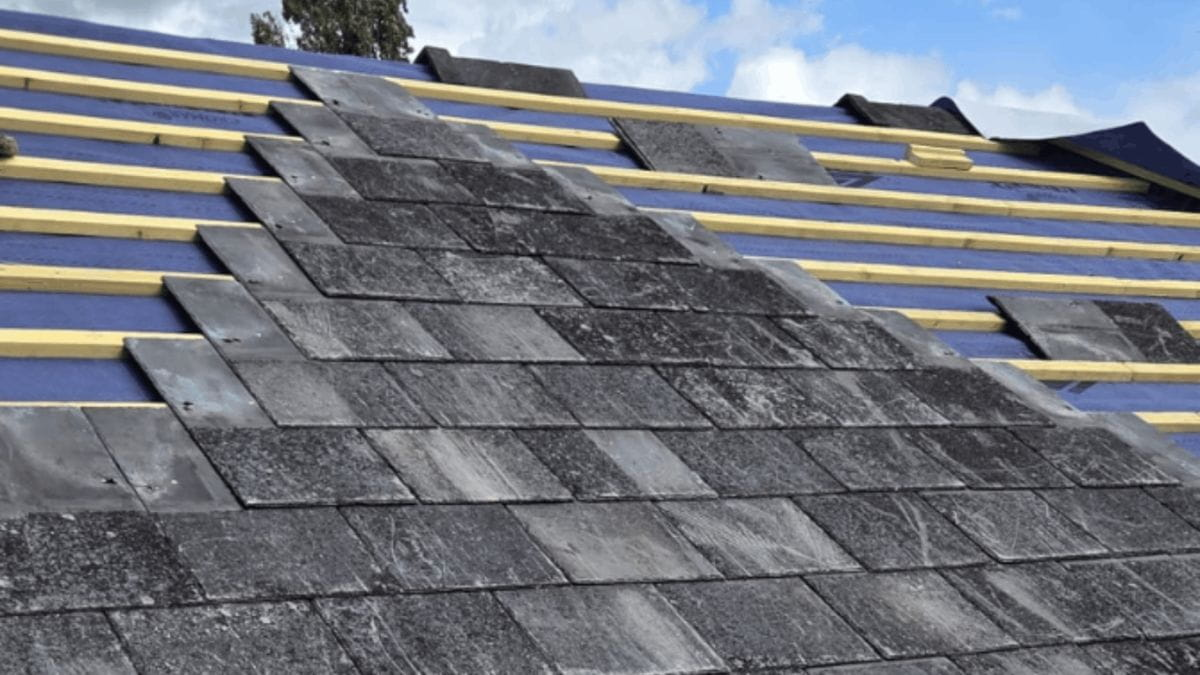
Every job’s different, so weigh these up before deciding either way.
Roof Repair
Advantages
- Lower upfront cost.
- Faster turnaround.
- Minimal disruption.
- Keeps existing materials in place.
- Ideal for isolated damage.
- Extends the roof’s life.
Disadvantages
- Doesn’t fix an ageing system underneath.
- More repairs may still be needed later.
- Warranty tends to be limited.
- Doesn’t do much for energy efficiency.
- Only a small bump to property value.
Roof Replacement
Advantages
- A genuine long-term fix.
- New roofing warranty.
- Better insulation.
- Stronger weather protection.
- Bigger boost to property value.
- Lower ongoing maintenance.
- Real gains in energy efficiency.
- Modern roofing materials.
Disadvantages
- Bigger investment upfront.
- Takes longer to install.
- Scaffolding required.
- More short-term disruption.
Common Mistakes Homeowners Make
Plenty of expensive roofing jobs started out as small issues nobody dealt with in time.
Steer clear of these:
- Ignoring minor leaks.
- Replacing tiles without figuring out what actually caused it.
- Going with the cheapest quote without checking the contractor’s experience.
- Skipping inspections after a storm.
- Continuing to patch an ageing roof instead of just replacing it.
- Hiring roofers without proper insurance.
- Ignoring damaged flashing and valleys.
- Letting gutters and drainage go unmaintained.
Dealing with roofing problems early is almost always cheaper than waiting for structural damage to set in.
How Professional Roof Inspections Help
Deciding between repair and replacement without ever getting someone qualified up there to look ranks among the most common mistakes homeowners make.
A lot of what’s wrong with a roof simply isn’t visible from the ground.
An experienced contractor will check:
- Tiles or slates.
- Ridge tiles.
- Chimneys.
- Flashing.
- Roof valleys.
- Fascias and soffits.
- Gutters.
- Roof underlay.
- Timber battens.
- The loft space.
- Any signs of moisture.
- Ventilation.
Get this done properly, and hidden problems get caught long before they turn into major structural work. Plenty of roofing companies now use drone surveys too, which makes it easier and safer to check the bits that are hard to reach.
Flat Roof Repair vs Flat Roof Replacement
Flat roofs play by slightly different rules than pitched ones.
Water drains more slowly off a flat surface, which makes these roofs more prone to standing water, membrane damage, and drainage problems.
Repair usually makes sense when:
- The damage is confined to one spot.
- There’s a small membrane split.
- Flashing’s failed.
- A drainage outlet needs fixing.
Replacement tends to be the better call when:
- Water’s already got under the membrane.
- You’ve already had multiple repairs.
- The insulation becomes saturated.
- Large sections have deteriorated.
- The system’s simply reached the end of its life.
Modern options like EPDM rubber and GRP fibreglass roofing hold up really well when they’re fitted and maintained properly.
Which Option Saves More Money?
A lot of homeowners fixate on the number on the initial quote, but the real cost of roofing only shows up over time.
A £500 repair looks cheap enough today. Needing that same repair every year, though, the total quickly outpaces what a new roof would have cost.
Replacing a fairly new roof over a bit of minor damage, on the flip side, is money you probably didn’t need to spend.
What actually determines the smarter financial move:
- Roof age.
- How bad is the damage?
- How often do repairs keep happening?
- Roofing material.
- How much life has it got left?
- Your plans for the property.
A professional inspection remains the most reliable way to work out which route genuinely offers better value.
Frequently Asked Questions
Is it cheaper to repair or replace a roof?
Repairs cost less upfront, but replacing an ageing roof often works out cheaper over time by cutting down on future repair and maintenance bills.
How do I know if my roof needs replacing?
Frequent leaks, sagging, missing tiles, and damage spread across the roof are usually the signs that it’s time to consider a full replacement.
How long does roof replacement take?
Most residential jobs take 3 to 7 days, depending on the size of the roof, the weather, and how complicated the project is.
Can a leaking roof always be repaired?
Not always. Minor, isolated leaks usually can be. Leaks that keep coming back or show up in multiple spots often point to a bigger problem that needs full replacement.
Does a new roof increase property value?
Yes, it improves kerb appeal, energy efficiency, and buyer confidence, all of which can push up your resale value.
Will home insurance cover roof repairs?
Sometimes, if it’s a storm or accidental damage, wear and tear from age or poor maintenance is usually excluded, though.
Final Thoughts
Choosing between repair and replacement isn’t really about finding the cheapest option. It’s about making the right call for your home’s long-term protection.
Minor, localised damage on a roof that’s otherwise in decent shape usually means a professional repair can add years of life back at a fairly low cost.
But a roof that’s past its expected lifespan, keeps leaking, or shows widespread wear usually calls for replacement as the smarter long-term move. Better weather protection, improved insulation, a lift in property value, and the peace of mind that comes with a modern system backed by a proper workmanship guarantee all come with it.
The most reliable way to know which path is right? A professional inspection. An experienced contractor can look past the surface, spot hidden structural issues, and recommend whatever’s actually going to cost you less over time.
Simple repair or full replacement, either way, dealing with roofing problems early keeps damage from spreading, keeps long-term costs down, and keeps your home properly protected for years ahead.