A roof can last anywhere from around 15 years to more than 100 years, depending on its material, how well it was installed, how it’s maintained, and how much weather it’s had to put up with. That’s a huge range, and it makes judging whether an aging roof’s still doing its job is genuinely tricky for most homeowners.
Plenty of properties carry roofs that have been up there for decades, and the owner often has no idea exactly when they went on. Age gives useful context, sure, but it’s not the whole picture. A well-maintained slate roof can keep performing long after a less durable system would’ve already needed replacement.
Rain, wind, frost, temperature swings, and UV exposure all chip away at roofing materials over time. Poor workmanship, blocked drainage, and repairs left too long can shorten a roof’s working life just as much.
This guide runs through the expected lifespan of common UK roofing materials and covers what actually drives durability. The comparison below gives homeowners a practical starting point, and the sections after explain why these numbers should be treated as estimates rather than fixed expiry dates.
How long does a roof last?
A well-installed UK roof can run anywhere from around 15 years to more than 100 years, depending heavily on the material, the workmanship, weather exposure, maintenance, and the condition of the structure underneath.
That figure covers a broad range rather than describing some standard lifespan. A roof covering and the complete roof system aren’t necessarily the same thing either. Tiles or slates might still be perfectly serviceable while fixings, battens, underlay, flashing, or timber components quietly need attention.
Condition matters just as much as age, if not more. A 40-year-old pitched roof that’s been looked after carefully can outperform a newer roof that suffered poor installation or ongoing water ingress.
Manufacturers tend to describe expected service life under particular conditions rather than promising a roof will last a specific number of years regardless of circumstances. Marley, for example, notes that service life depends on normal conditions and correct installation.
A proper inspection tells you far more than the installation date ever could. Visible damage, previous repairs, drainage, ventilation, and the condition of the roof structure all feed into working out how much useful life might be left.
Roof Lifespan by Roofing Material
Different roofing materials age at very different rates. Natural slate can stay serviceable for decades on end, while some flat roof membranes carry shorter expected service lives and may need replacement sooner.
Treat the figures below as typical or indicative ranges rather than guarantees. Actual performance comes down to the specific product, the installation, the environment, and the maintenance history.
| Roofing Material | Typical Expected Lifespan | Common UK Use |
|---|---|---|
| Natural Slate | 75–100+ years | Pitched roofs |
| Clay Tiles | 60+ years | Pitched roofs |
| Concrete Tiles | 60+ years | Pitched roofs |
| EPDM Rubber | 25–50 years | Flat roofs |
| GRP / Fibreglass | 25–30+ years | Flat roofs |
| Bitumen/Felt | 15–25 years | Flat roofs |
How Long Does a Slate Roof Last?
Natural slate ranks among the longest-lasting roofing materials used on UK properties. High-quality slate can stay in service for decades, and some properly installed slate roofs push past a century without much trouble.
Marley’s current guidance puts natural slate’s potential lifespan at up to 150 years, though actual performance still comes down to the slate itself, the fixings, the installation, and the surrounding conditions.
Traditional houses, period properties, and buildings where appearance genuinely matters often go with natural slate. Its resistance to weather makes it particularly well suited to pitched roofs, provided the supporting structure and fixings are holding up properly.
Individual slates can often get swapped out when damage occurs, which can extend the useful life of the whole roof. A handful of broken slates doesn’t automatically mean the entire covering needs replacing.
The slate itself is only part of the system, worth remembering. Nails or other fixings can fail before the slate does, and damaged flashing, underlay, battens, or roof timbers can create problems underneath what still looks like a perfectly good roof from the ground.
What Can Shorten a Slate Roof’s Lifespan?
A few things can cut a slate roof’s working life short:
- Broken or slipped slates.
- Failed fixings.
- Poor installation.
- Water ingress.
- Storm damage.
- Neglected maintenance.
- Deteriorated flashing.
- Structural movement.
Regular inspections catch these problems before water reaches the roof structure.
How Long Does a Clay Tile Roof Last?
Clay roof tiles have been fitted across the UK for generations and remain a popular choice for pitched roofing today. Their durability, traditional look, and resistance to changing weather make them a solid fit for plenty of residential properties.
Marley cites a minimum 60-year life expectancy for its clay tile products under its referenced BRE assessment, while noting the actual functional life can run significantly longer than that.
Exactly how well a clay tiled roof performs depends on tile quality, fixing method, roof design, and local weather exposure. Properly installed tiles keep performing well for years, particularly when damaged units get replaced promptly rather than left.
Clay tiles can also pick up moss or lichen, especially where the roof stays shaded or damp. That growth doesn’t automatically mean the tiles have failed, though heavy accumulation should get assessed and managed rather than ignored.
Think of a clay roof as a complete system rather than just a collection of individual tiles. Flashing, ridge details, valleys, battens, and the roof membrane all play a part in how well it resists the weather.
How Long Does a Concrete Tile Roof Last?
Concrete’s the practical choice for a lot of UK homes, striking a fair balance between how long it lasts, how easy it is to source, and how much upkeep it actually demands. Marley puts the expected life at 60 years or more for its concrete tiles, and modern products generally back that up when they’re installed properly and looked after over the years.
Frost, wind, and repeated wet-dry cycles all take their toll eventually, sometimes showing up as cracked or displaced tiles further down the line. Moss and lichen like concrete tiles too, especially anywhere shaded and damp.
None of that spells disaster on its own; Catching broken tiles and blocked gutters early keeps the whole system working the way it should. Worth remembering that the tiles are only the visible layer. Battens, underlay, and rafters underneath can need long attention before the tiles themselves show any obvious wear.
How Long Does a Flat Roof Last?
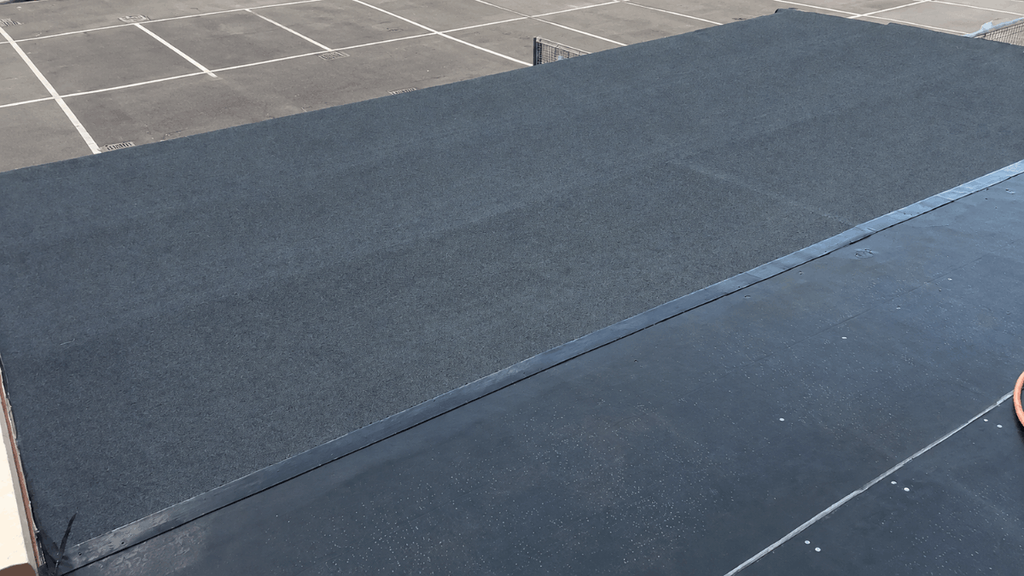
Flat roof lifespan swings significantly because the waterproofing system has such a big say in durability. EPDM rubber, GRP fiberglass, and bitumen felt each bring their own characteristics, installation requirements, and expected service lives to the table.
Drainage matters more here than most homeowners realise. A flat roof needs suitable falls so rainwater actually reaches the drainage outlets. Persistent ponding puts extra stress on the waterproof membrane and can speed up deterioration.
Installation quality has a massive effect on how the roof performs. Poorly fitted joints, weak detailing around edges or roof penetrations, and unsuitable drainage can all create weak spots that become obvious over time.
Regular inspections catch cracks, blisters, membrane deterioration, damaged flashing, and blocked outlets before water reaches the structure underneath.
How Long Does an EPDM Flat Roof Last?
EPDM is a synthetic rubber membrane commonly used on domestic flat roofs, garages, and extensions. A typical EPDM system delivers around 25 to 50 years of service, depending on the product, the installation, the exposure, and the maintenance it gets.
Its flexibility lets the membrane cope with some movement caused by temperature changes. Properly installed EPDM can give reliable waterproofing for years, though punctures, damaged edges, and drainage problems still need catching.
A roof inspection should check the membrane, the joints, the perimeter details, and the drainage outlets. Keep debris away from outlets too, so water can actually leave the roof rather than pooling.
Some well-installed EPDM systems outlast the commonly quoted ranges by quite a bit, but homeowners shouldn’t treat 25 or 50 years as some guaranteed expiry date.
How Long Does a GRP Fiberglass Roof Last?
GRP, or glass-reinforced plastic, combines resin with fiberglass reinforcement to build a durable waterproof surface, and it’s become a common flat roofing choice on newer builds. Expect around 25 to 30 years or more, though that number leans heavily on how well the deck was prepared beforehand and how the edges and joints were detailed. Cracks or spots where water keeps pooling are worth investigating early rather than waiting to see if they get worse on their own.
How Long Does a Felt Roof Last?
Felt is the old reliable of flat roofing, still common on garages, extensions, and smaller structures despite newer systems overtaking it in popularity. A typical felt roof runs 15 to 25 years, and modern felt holds up noticeably better than the older versions people might remember from decades past. As felt ages, it tends to go brittle, splitting or cracking in patches, and ponding water speeds that process along significantly. Isolated damage can often be patched, but once deterioration spreads across the roof, it’s worth having someone properly assess whether replacement makes more sense than another round of repairs.
What Can Affect How Long a Roof Lasts?
A roofing material’s advertised lifespan only tells part of the story. The conditions surrounding the roof and the quality of the complete installation can have a huge influence on how long it stays reliable.
Quality of Installation
Good materials can’t make up for poor workmanship. Incorrect fixing, weak ventilation, badly formed flashing, or unsuitable drainage can create problems far earlier than expected.
Roof installation should follow whatever the selected system and manufacturer actually require. Getting the detailing right around chimneys, valleys, roof windows, and roof edges matters especially, since these spots are the ones most vulnerable to water getting in.
Roofing Material
Every roofing material behaves differently. Natural slate can offer an exceptionally long service life, while flat roofing membranes generally sit at the shorter end of the range.
Material selection should weigh up the property, the roof design, budget, appearance, maintenance needs, and expected service life, rather than simply grabbing whatever product has the longest number on the label.
Weather and Exposure
UK roofs deal with changing conditions all year round. Heavy rain, strong winds, frost, UV exposure, and repeated temperature changes all gradually affect roofing materials.
Coastal properties face extra exposure to wind and salt-laden air. Shaded roofs hold onto moisture for longer too, which encourages moss and lichen growth.
Weather doesn’t necessarily cause sudden failure, but years of exposure add up to gradual deterioration all the same.
Roof Pitch and Drainage
Roof pitch shapes how efficiently rainwater actually leaves the roof. Pitched roofing naturally sends water toward the gutters, while flat roofs depend on carefully designed falls and drainage outlets to do the same job.
Poor drainage lets water sit where it shouldn’t. Blocked gutters, valleys, and flat roof outlets all raise the risk of water getting in.
Maintenance
Routine maintenance helps preserve the whole roof system. Broken tiles, damaged flashing, blocked gutters, and deteriorating sealants shouldn’t be left until they’ve become major problems.
Regular checks also give homeowners a chance to spot early signs of water ingress before moisture reaches insulation, battens, or roof timbers.
Roof Structure and Underlying Components
The visible roof covering is only one part of the whole system. A roof can still have attractive tiles or slate up top while the underlay, battens, flashing, or timber structure underneath actually needs attention.
That distinction matters especially when assessing an older roof. Replacing the outer covering alone might not solve problems caused by damaged structural components hiding underneath.
A professional roof inspection assesses the covering alongside the components underneath it, giving a far more realistic picture of how much service life is genuinely left.
Signs Roof May Need Repair or Replacement
Roof age gives useful information, but visible condition usually tells homeowners a lot more about how well the system’s actually performing. A roof heading into the later part of its expected service life doesn’t automatically need replacing. Warning signs should be weighed alongside the material, the installation history, and the condition of the supporting structure.
Missing Roof Tiles
A missing tile leaves part of the roof exposed to rain and wind. One damaged unit can often get replaced without disturbing the rest of the covering at all.
Cracked Tiles
Cracks let water under the roof covering. Several cracked tiles can point to wider deterioration, particularly on an older roof.
Slipped Tiles or Slates
Movement happens after strong wind, failed fixings, or deteriorating battens. Slipped materials should get assessed before further weather exposure causes real damage.
Water Stains and Damp Patches
Brown marks, damp areas, or peeling paint around ceilings can signal water ingress. The visible stain isn’t always directly beneath the point where rain actually got in.
Sagging
A noticeable dip in the roofline can point to problems affecting rafters or other structural components. Get a professional assessment arranged promptly here.
Damaged Flashing
Cracked, loose, or deteriorated flashing around chimneys, valleys, and roof windows can create pathways for rainwater to get through.
Moss or Debris Build-Up
Moss doesn’t automatically mean a roof has failed. Heavy growth and accumulated debris can trap moisture and interfere with drainage, though, so the roof’s worth checking once build-up gets excessive.
Damaged Gutters
Cracked gutters, blocked outlets, and persistent overflowing let water reach roof edges, fascia boards, and external walls.
Daylight Visible Through the Roof
Small amounts of daylight can be normal around some roof details, but unexpected gaps or light coming through damaged areas usually point to a problem worth inspecting.
Repeated Repairs
Frequent repair work can signal that deterioration’s becoming widespread. A professional survey can work out whether continued repairs still make sense.
Flat Roof Blistering or Ponding
Blisters, cracks, and persistent standing water can indicate a flat roof membrane’s deteriorating. Early assessment can help stop moisture reaching the deck underneath.
Does an Old Roof Always Need Replacing?
No. Age alone is not enough to decide whether a roof needs complete replacement.
A 70-year-old slate roof in good condition can still offer reliable protection, while a much newer roof with poor installation, serious water ingress, or structural problems might need substantial work far sooner.
The condition of the roof covering should be weighed alongside the structure, flashing, drainage, ventilation, and previous repair history. A professional inspection can reveal whether the existing system still has useful life left in it.
Repair May Be Appropriate When
Repair can make sense when:
- Damage is limited to a small area.
- Most of the roof remains sound.
- Individual tiles or slates can be replaced.
- Flashing has failed in one location.
- The roof structure remains in good condition.
- Repairs are economically sensible.
Replacement May Be Appropriate When
A replacement assessment becomes more relevant when:
- Problems are widespread.
- The roof structure is deteriorating.
- Leaks continue despite previous repairs.
- The covering has reached the later stage of its useful service life.
- Multiple roofing components are failing.
- Repair costs are becoming frequent or significant.
A contractor should explain the condition of the roof before recommending major work. Homeowners benefit from understanding what actually needs attention rather than assuming an aging roof has to be ripped off automatically.
Roof Repair vs Roof Replacement
Repair and replacement serve different purposes entirely. A localized defect can often get dealt with without replacing an otherwise perfectly serviceable roof. Widespread deterioration is a different story and may call for something more comprehensive.
| Situation | Possible Approach |
|---|---|
| A few broken tiles | Repair |
| Local flashing damage | Repair |
| Small isolated leak | Inspection and repair |
| Widespread tile failure | Further assessment |
| Persistent leaks | Professional inspection |
| Major structural deterioration | Replacement may be required |
| Old flat roof with recurring failures | Replacement assessment |
A few broken tiles rarely justify a complete roof when everything else around them is still in good shape. Local flashing damage can get repaired too, without disturbing the whole roofing system.
Widespread failure sits at the other end of the scale entirely. An older roof with recurring leaks, deteriorating tiles, and failing underlay can keep generating repair costs even after each individual defect’s been addressed.
A professional inspection gives you the evidence needed to make a sensible call. The assessment should look at both the visible covering and the components sitting underneath it.
How to Extend the Life of Your Roof
Good maintenance can help a roof reach the upper end of its expected service life. No maintenance routine prevents every problem, but catching things early cuts down on deterioration.
Arrange Regular Roof Inspections
Periodic inspections catch cracked tiles, damaged flashing, blocked drainage, and early signs of water ingress. Older roofs can benefit from more frequent checks, particularly after severe weather rolls through.
A professional inspection also covers areas that are genuinely hard to examine safely from ground level.
Keep Gutters and Drainage Clear
Leaves, moss, and debris clog up gutters and downpipes over time. Blocked drainage lets rainwater overflow and can contribute to damp around roof edges and external walls.
Valleys and flat roof outlets need to stay clear too, so rainwater can actually leave the roof rather than sitting around.
Repair small problems early
A loose tile or small flashing defect can be fairly straightforward to fix. Leave it exposed to repeated rain and wind, though, and water works its way to the underlay, battens, or timber structure underneath.
Fast roof repairs worcester protect components that would otherwise cost a lot more to replace down the line.
Check Flashing and Roof Junctions
Chimneys, roof valleys, roof windows, and wall junctions all have vulnerable points where different materials meet. Flashing at these spots needs to stay secure and weatherproof.
Signs of movement, cracking, or separation deserve proper investigation rather than getting covered over with a quick dab of sealant.
Avoid Unnecessary Pressure Washing
High-pressure cleaning can damage some roofing surfaces and may loosen or break vulnerable materials. Marley specifically warns that high-powered jet washing can damage slate and tile surfaces and potentially cut their expected life short.
Gentle, appropriate cleaning methods work better, particularly on older roofing materials.
Use the Correct Roofing Materials
Replacement components need to be compatible with the existing roof system. Tiles, slates, membranes, fixings, and flashing should be selected according to the roof design and the manufacturer’s requirements.
Using unsuitable materials creates problems with weight, fixing, water run-off, or general compatibility. Professional advice is especially valuable when repairing older or unusual roofs.
When Should You Replace Your Roof?
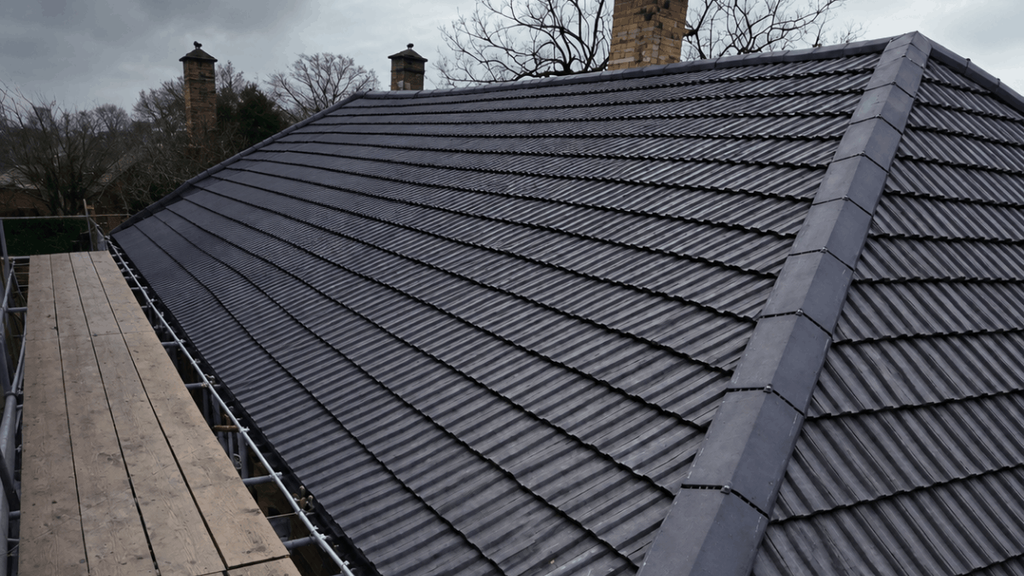
A replacement decision usually becomes clearer once several warning signs show up together. Persistent leaks, widespread tile deterioration, failing underlay, structural damage, and repeated repairs can all point toward a system nearing the end of its practical service life.
The decision should still rest on condition rather than age alone. A professional roof survey can identify which components remain sound and which need attention.
Homeowners considering new roofs worcester can use an inspection to understand the condition of the existing system before committing to replacement. A suitable roofing contractor should explain whether repair, partial renewal, or complete replacement is the most appropriate route forward.
Local property characteristics play into material selection too. Pitched roofs commonly use slate, clay, or concrete tiles, while extensions and garages often use flat roofing systems such as EPDM, GRP, or felt.
How to Extend the Life of a Roof
The advice above covers the main habits worth building into a maintenance routine, but a few points deserve repeating in a quicker, more scannable form, since this is often the section homeowners come back to.
Arrange Regular Roof Inspections
Think of an inspection as catching a problem while it’s still cheap to fix. Once or twice a year, plus a check after any serious storm, is generally enough for most roofs, with older properties benefiting from a slightly closer eye.
Keep Gutters and Drainage Clear
A five-minute job ignored for years turns into a much bigger one. Clogged gutters and blocked flat roof outlets are behind a surprising share of avoidable roof damage, so keeping them clear stays one of the cheapest ways to protect the whole system.
Repair small problems early
One loose tile today is a ten-minute fix. The same tile left through a winter of rain and wind can mean replacing battens, underlay, or even ceiling plaster by spring. The maths rarely favors waiting.
Check Flashing and Roof Junctions
Wherever two materials meet, whether that’s a chimney breast or a roof window frame, is where water finds its way in first. These spots deserve a proper look on their own, not just a glance as part of a general roof check.
Avoid Unnecessary Pressure Washing
Worth saying again, since it trips people up: a jet wash might look satisfying, but it can strip away exactly the protective surface a tile or slate needs. Softer cleaning methods protect the roof rather than shorten its life.
Use the Correct Roofing Materials
Mismatched materials cause more long-term problems than they solve. Whatever goes on for a repair should match what the roof was actually designed around, weight, fixing method, and all.
When Should You Replace Roof?
To bring the earlier points together: replacement earns real consideration once several of these show up at the same time, not just one.
Persistent leaks that keep returning despite repairs. Tile or slat damage spread across large sections rather than one patch. Underlay that’s failing rather than just aging gracefully. Structural movement in the rafters or supporting timber. A pattern of repair bills that’s becoming hard to justify against the cost of starting fresh.
Age still isn’t the deciding factor on its own. A slate roof that’s been cared for can outlast several newer, easier roofs put together. What matters is whether the roof, as it actually stands today, is still doing its job.
Homeowners weighing up roof replacement Worcester options are usually better served booking a professional inspection first rather than guessing from the ground. An honest contractor will tell you plainly whether a repair, a partial renewal, or a full new roof genuinely makes the most sense for the property, based on what they actually find rather than what’s easiest to sell.
Material choice still comes back to the property itself. Slate, clay, or concrete for a traditional pitched roof; EPDM, GRP, or felt for a garage or flat-roofed extension.
What Should You Check Before Choosing a New Roof?
A few things deserve attention before committing to a replacement project. The existing roof structure should get assessed first, since damaged rafters, battens, or other components might need work before the new covering goes on.
Material selection is another important decision. Natural slate offers exceptional longevity, while clay and concrete tiles provide durable alternatives for many pitched roofs. Flat roof systems have their own performance characteristics and should be selected according to the building and drainage design.
A detailed roofing quotation should explain the proposed materials, labor, scaffolding, waste removal, and any structural repairs that might be required. Clear information makes it far easier to compare quotations from different contractors.
Homeowners should also ask about workmanship guarantees and the expected installation process. Good communication before work starts cuts down on misunderstandings and makes it easier to plan around the roofing project.
What Does a Roof Inspection Usually Check?
A professional roof inspection looks beyond the visible tiles or membrane. The condition of the roof covering, flashing, valleys, ridge details, gutters, and other external components all get considered.
Where practical and safe, the inspection may also cover the roof structure and signs of moisture within the loft. Damp timber, damaged battens, poor ventilation, and water staining can reveal problems that aren’t visible from outside at all.
The inspection findings then help determine whether routine maintenance, localized roof repairs, or a complete roof replacement makes sense.
A written assessment or quotation becomes particularly useful when significant work’s on the table, since it gives the homeowner a clearer understanding of the recommended work and the costs attached.
Frequently Asked Questions
How long does an average UK roof last?
A typical roof can last around 15 years to more than 100 years, depending on its material, installation, maintenance, and exposure.
How long do roof tiles last?
Concrete and clay tiles can commonly last 60 years or more, while actual service life depends on installation and maintenance.
How long does a flat roof last?
Flat roof lifespan varies by system, with felt often lasting 15 to 25 years and EPDM around25 to 50 years.
How do I know if my roof needs replacing?
Persistent leaks, widespread tile damage, sagging, deteriorated materials, and repeated repairs can indicate that replacement needs consideration.
Is it cheaper to repair or replace a roof?
Repair is usually cheaper when damage is localized, while replacement may offer better value when problems are widespread or recurring.
Final Thoughts
How long a roof lasts depends on far more than its age. Natural slate, clay tiles, and concrete tiles can provide decades of service, while flat roofing systems generally carry shorter expected lifespans. Installation quality, drainage, weather exposure, and regular maintenance all shape durability in the end.
An aging roof deserves assessment based on its actual condition rather than getting replaced simply because it’s hit a particular age. Early attention to damaged tiles, flashing, gutters, and leaks helps protect the wider roof structure long before things get serious.
Homeowners considering pitched roofing Worcester or a new flat roofing system can benefit from professional advice before making a long-term decision. A proper inspection identifies existing problems and helps determine whether repair, maintenance, or replacement is the right call.