Choosing between a flat roof and a pitched roof comes down to more than looks. Cost, expected lifespan, upkeep, drainage, available space, and the type of property all deserve a proper look before any work starts.
A flat roof can suit a modern extension, garage, or porch where a low profile matters. A pitched roof gets picked more often for main houses because the sloping design lets rainwater run off naturally and can open up useful loft or storage space in the process.
The right answer also hinges on the existing building. A roof shape that looks great on a brand-new extension might sit awkwardly on a traditional property, and changing the structure can bring extra structural work and approvals into play.
This guide sets flat roofs against pitched roofs across the things that matter most to UK homeowners: installation costs, lifespan, upkeep, weather performance, extensions, garages, and the situations where switching from one roof type to another might genuinely be worth considering.
Flat Roof vs Pitched Roof: What’s the Difference?
What Is a Flat Roof?
A flat roof carries a very low pitch rather than sitting completely level. Designers usually build in a slight fall so rainwater reaches suitable drainage points instead of pooling across the surface.
Flat roofing systems turn up commonly on garages, porches, extensions, and some commercial buildings. Modern systems might use EPDM rubber, GRP fibreglass, or high-performance felt, depending on the building and the project requirements.
Homeowners weighing up flat roof worcester options often find it helps to understand the practical differences between flat and pitched roofing before settling on what’s right for their property.
What Is a Pitched Roof?
A pitched roof has two or more sloping surfaces built to steer rainwater toward gutters and drainage points. Pitched roofs are widely used on houses across the UK and can be covered with concrete tiles, clay tiles, natural slate, or fibre cement slate.
The slope also creates a roof void underneath the covering. Depending on how the building’s designed, that space can offer useful loft storage or even contribute toward a habitable room.
The Main Difference Between Flat and Pitched Roofs
The angle’s the most obvious difference. Flat roofs sit at a low slope; pitched roofs climb at a noticeably steeper gradient.
Drainage works differently between the two as well. Flat roofs rely on designed falls, outlets, and drainage systems, while pitched roofs let gravity do most of the work moving rainwater toward the gutters.
Roof design also shapes the appearance and how much internal space you end up with. A flat roof gives a lower external profile, while a pitched design opens up extra roof space alongside a more traditional look.
Flat Roof vs Pitched Roof: Key Differences
| Feature | Flat Roof | Pitched Roof |
|---|---|---|
| Roof design | Low slope | Steeper slope |
| Cost | Project dependent | Project dependent |
| Drainage | Requires designed fall and drainage | Natural water runoff |
| Maintenance | Regular inspection required | Regular inspection required |
| Roof space | Limited | Potential loft or storage space |
| Appearance | Modern | Traditional or versatile |
| Common uses | Extensions, garages, porches | Main homes, extensions |
Advantages of a Flat Roof
Modern and Minimal Appearance
There’s a reason architects keep reaching for flat roofs on contemporary builds. A flat roof gives a property that clean, understated look, and the low profile plays especially well with modern extensions, where the whole point is often for the new structure to sit quietly rather than dominate the original house.
Suitable for Extensions
A lot of extension designs end up leaning flat, sometimes because planning rules push that way, sometimes because of what’s next door, and sometimes simply because that’s the look the homeowner’s after with a lower roofline. It’s not always a purely stylistic call either. A well-designed flat roof can free up room for bigger areas of glazing, or make the join between old house and new extension feel almost seamless.
Suitable for Garages and Porches
Garages, porches, and smaller add-ons all tend to suit the simplicity a flat roof brings. You get efficient use of the space available without piling unnecessary height on top of what’s often already a compact structure.
Lower Roof Profile
Sometimes height genuinely needs restricting, whether that’s an extension sitting close to a boundary or a concern about blocking natural light to a neighbouring space. A flat roof’s low profile solves that fairly directly.
Potentially Simpler Construction
Compared with a complicated pitched structure, a small flat roof can go up in a relatively straightforward way. That said, “simpler” only goes so far. What actually determines how the build goes still comes down to the membrane, the insulation, the drainage, and the state of whatever’s already there.
Disadvantages of a Flat Roof
Drainage Needs Careful Planning
Gravity does most of the heavy lifting on a pitched roof. A flat roof doesn’t get that luxury, so the design has to build in proper falls, outlets, and drainage routes to actually move rainwater away rather than just hoping it finds a path.
Risk of Standing Water
Ponding is the word for water that just sits on the roof after rain instead of draining off. It sounds minor, but persistent standing water puts real stress on the waterproofing underneath, and over time that shortens how long the whole system lasts.
Regular Maintenance Is Important
Left unchecked, blocked outlets, damaged membranes, failed flashing, and general debris quietly build into bigger problems. Catching them early, through regular inspections, is really what stops small defects from turning into proper leaks.
Limited Roof Space
One trade-off worth knowing upfront: flat roofs generally don’t give you the loft or storage potential a pitched roof does. Anyone who actually needs that extra space will usually end up looking at a sloping design instead.
Advantages of a Pitched Roof
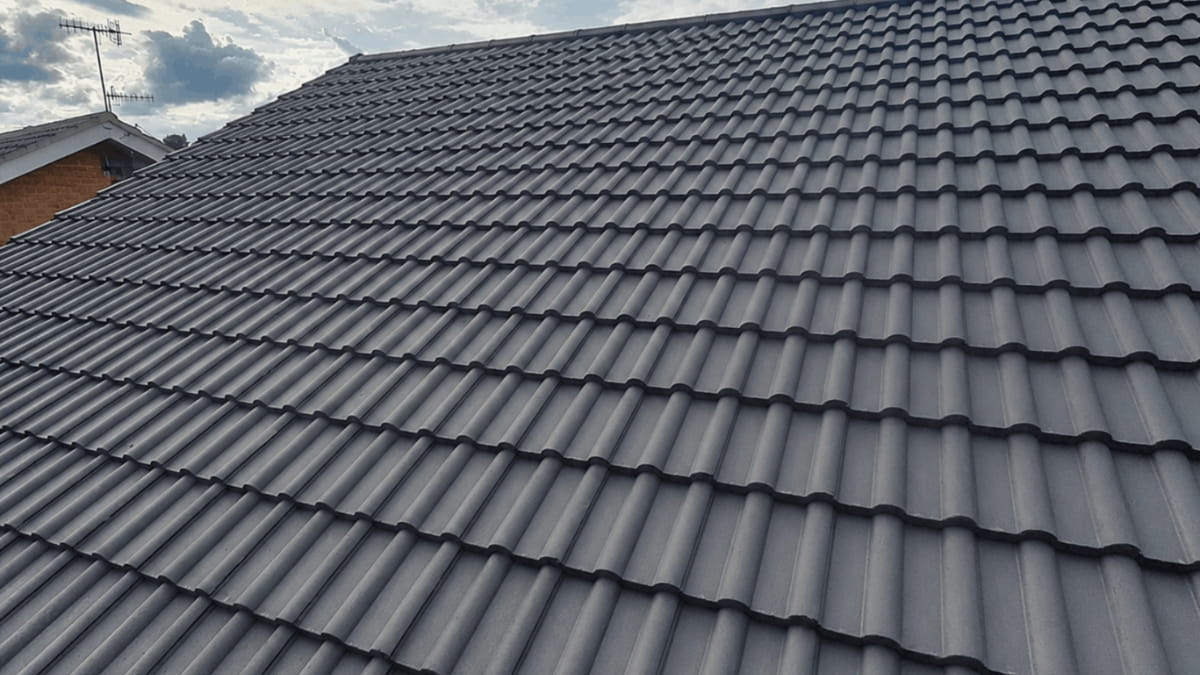
Effective Rainwater Runoff
The slope of a pitched roof allows rainwater to flow naturally towards the gutters and drainage system. The slope moves rainwater naturally toward gutters and downpipes, and when the roof covering and drainage components are installed properly, the building stays genuinely well protected from water getting in.
Traditional Appearance
There’s a reason pitched roofs suit so many traditional UK properties. They sit comfortably alongside brickwork, stonework, and the architectural styles that have defined British houses for generations.
Potential Additional Loft Space
That sloped void underneath isn’t wasted space. It often works well for storage, and on some properties there’s genuine potential for a loft conversion too, though structural requirements, insulation, ventilation, and the relevant regulations all need checking before anyone commits to that.
Wide Choice of Roofing Materials
Concrete tiles, clay tiles, natural slate, fibre cement slate: pitched roofs open up a real range of options, each with its own mix of appearance, weight, upkeep, and expected lifespan. The range of material options available for pitched roofs is generally broader than for flat roofing systems.
Suitable for Main Residential Roofs
It’s why pitched roofing has stayed the default for UK houses for so long. Effective drainage paired with genuine material choice covers most of what a homeowner actually needs.
Disadvantages of a Pitched Roof
Higher Construction Costs
A pitched roof typically requires more structural materials, labour, and installation work than a simple low-profile roof. A pitched structure typically costs more than a simple low-profile roof once you add up the structural design, the covering, and everything that goes with it.
More Complex Installation
Valleys, hips, ridges, chimneys, dormers, roof windows: pitched roofs often carry several of these features, and every single one needs careful installation and proper waterproof detailing to actually work.
Access Can Be More Difficult
Access can be more challenging because of the height and slope of a pitched roof. The height and angle of a pitched roof make access genuinely harder, which is why scaffolding and proper safety equipment are normally part of the picture for any significant repair or replacement job.
Greater Roof Height
A pitched roof simply sits taller than a flat one. Worth thinking through how that affects the look of an extension, especially in relation to neighbouring properties and the space you’ve actually got to work with.
Flat Roof vs Pitched Roof Cost
Roofing costs swing considerably from one property to the next, so comparing roof shape alone won’t give you an accurate quote.
What Affects the Cost of a Flat Roof?
Several things shape the cost of a flat roofing project:
- Roof size.
- Waterproofing material.
- Access.
- Insulation.
- Existing roof condition.
- Labour.
- Drainage requirements.
- Edge and flashing details.
EPDM, GRP, and felt systems each carry different material and installation requirements. The condition of the existing deck can affect the price too, particularly if damaged sections need replacing first.
What Affects the Cost of a Pitched Roof?
Pitched roof costs can shift based on:
- Roof size and design.
- Structural requirements.
- Roofing material.
- Insulation.
- Labour.
- Removal of existing roofing.
- Scaffolding.
- Chimneys and valleys.
- Roof windows.
- Flashing and ventilation.
Natural slate, clay tiles, and concrete tiles all carry different purchase and installation costs. Complex roof shapes bring more detailed labour into the mix as well.
If an existing roof’s already showing damage or needs maintenance, professional roof repairs worcester services can identify the underlying problem before it turns into something more serious.
Which Is Usually Cheaper?
There’s no single answer here. A small flat roof often works out more economically than building a pitched roof for a garage or extension, particularly where the design’s kept simple.
A full pitched roof tends to make more sense for a main residential property, where loft space, drainage, and traditional appearance genuinely matter.
Always compare the complete project rather than just the price of the roof covering itself. Structural work, insulation, scaffolding, drainage, labour, and removing the existing materials all feed into the final quote.
Flat Roof vs Pitched Roof Lifespan
How Long Can a Flat Roof Last?
A flat roof’s service life comes down heavily to the system chosen, the quality of installation, and how well it’s maintained. EPDM, GRP, and modern felt systems can all deliver many years of service when they’re fitted and looked after correctly.
Poor drainage, standing water, physical damage, and neglected repairs can all cut short the life of any flat roofing system.
How Long Can a Pitched Roof Last?
Pitched roof longevity varies by material. Concrete tiles, clay tiles, and natural slate all carry different expected service lives.
Natural slate can last for decades when it’s fitted correctly, and good-quality concrete and clay tiles hold up well long-term too, provided they’re properly maintained.
What Can Affect the Lifespan of Either Roof?
A handful of factors shape durability across both roof types:
- Installation quality.
- Material selection.
- Weather exposure.
- Drainage.
- Maintenance.
- Timely repairs.
- Roof ventilation.
- Structural condition.
Regular inspections catch damaged components before they affect the wider roofing system.
Flat Roof vs Pitched Roof for UK Weather
How Flat Roofs Deal with Rain
Flat roofs depend on carefully designed falls and drainage outlets. Water should move toward the right drainage points rather than sitting across the membrane.
Blocked outlets and poor drainage raise the risk of ponding, which is exactly why regular maintenance matters so much here.
How Pitched Roofs Deal with Rain
A pitched roof uses its slope to steer rainfall toward the gutters. Tiles or slates overlap to form a weather-resistant covering, and underlay adds another layer of protection underneath the outer material.
Properly designed and maintained pitched roofs worcester properties rely on can provide effective rainwater run-off and long-term protection against the UK’s weather.
The Importance of Proper Drainage
Drainage matters for both roof types. Flat roofs need suitable falls and outlets; pitched roofs depend on gutters, valleys, and downpipes that are actually doing their job.
Leaves, moss, and debris can clog up drainage systems fast. Regular cleaning and inspection cut the chances of water backing up or overflowing into vulnerable spots.
Protecting Roof During the UK’s Changing Weather
UK roofs deal with rain, wind, frost, temperature swings, and the occasional severe storm all year round. Strong materials help, sure, but good installation and regular maintenance matter just as much.
Storm damage deserves a prompt inspection. Missing tiles, damaged flashing, cracked membranes, and blocked drainage can all let water into the building if nothing gets done about it.
Flat Roof vs Pitched Roof Maintenance
Flat Roof Maintenance
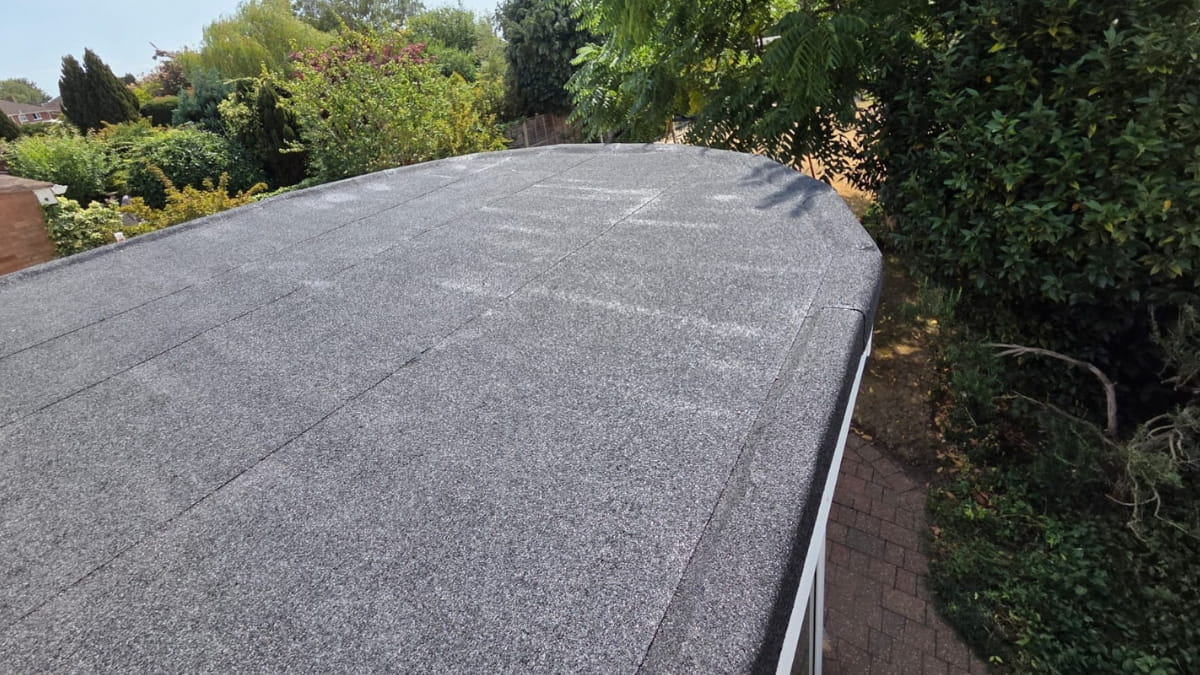
Flat roofs should get checked for:
- Blocked drainage outlets.
- Membrane damage.
- Failed flashing.
- Signs of ponding.
- Cracks or deterioration.
- Loose edge details.
Clear debris carefully, and have any damaged waterproofing assessed by a qualified roofer.
Pitched Roof Maintenance
Pitched roofs benefit from checks covering:
- Tiles and slates.
- Flashing.
- Ridge tiles.
- Valleys.
- Gutters.
- Chimney areas.
- Roof windows.
Deal with missing or cracked tiles promptly, since water can get beneath the roof covering and damage battens, insulation, or timber if it’s left alone.
Why Regular Roof Inspections Matter
Small defects are usually easier and cheaper to fix than widespread damage. Regular inspections catch early signs of water getting in, deterioration, or structural problems before they spread.
An inspection also gives homeowners useful information when deciding whether a roof needs repair, maintenance, or a complete replacement.
Flat Roof vs Pitched Roof for Extensions
When a Flat Roof May Be Better
A flat roof works well for a modern extension where a lower roofline is the goal. Limited height, a contemporary design, and the space available can all point toward this choice.
When a Pitched Roof May Be Better
A pitched roof can complement the existing house nicely, particularly on a property with a traditional roof design already. The extra roof space can also come in handy for storage or future development down the line.
Which Roof Should You Choose for an Extension?
The property, the extension design, and the structural requirements should really drive the decision. Local planning considerations, drainage, insulation, appearance, and how the old and new structures relate to each other all deserve a look too.
A roofing professional can assess the proposed design and explain which system’s likely to deliver the best long-term performance.
Flat Roof vs Pitched Roof for Garages
Flat Roof Garage
A flat roof’s a common pick for garages, mainly because it keeps a low profile and suits a fairly simple building structure. Fitted correctly, modern waterproof membranes give dependable protection without much fuss.
Pitched Roof Garage
A pitched garage roof takes a different approach. It tends to complement the main property better visually, and the sloping structure adds a bit of extra roof space along with natural rainwater runoff, the same benefits you’d get on the house itself.
Choosing the Right Option for Garage
Available space, desired appearance, budget, drainage requirements, and how the garage relates to the main house should all shape the decision here.
A straightforward garage might genuinely suit either option. What actually tips the balance usually comes down to the property’s layout and whatever matters most to the homeowner making the call.
Which Roof Is Better for Home?
There’s no single right answer here, but a few quick questions usually point people toward one option or the other pretty fast.
Choose a Flat Roof If
A flat roof may suit your project if:
- You prefer a modern design.
- You’re building an extension, garage, or porch.
- You need a lower roof profile.
- The available space favours a compact roof design.
Choose a Pitched Roof If
A pitched roof may be more suitable if:
- You prefer a traditional appearance.
- You want potential loft or storage space.
- You’re replacing the main residential roof.
- Natural rainwater runoff is a priority.
Things to Consider Before Making Your Decision
Weigh budget alongside expected lifespan and maintenance requirements. Property style matters too, particularly where a new roof needs to blend in with an existing building.
The roof’s actual purpose is another important factor. A garage or small extension can have very different requirements from a main house.
Long-term maintenance, drainage, insulation, structural requirements, and material availability should all feed into the decision, rather than focusing purely on the initial price tag.
Can You Replace a Flat Roof with a Pitched Roof?
When This May Be Possible
A flat roof can sometimes be replaced with a pitched structure where the property layout and structural design make the change practical.
The switch might improve appearance, drainage, or available roof space, though it’s a far bigger project than simply swapping the waterproof covering.
Structural Considerations
A pitched roof adds different loads onto the building. Existing walls, foundations, and supporting structures need proper assessment before the change gets designed.
Roof pitch, materials, drainage, insulation, and ventilation all need careful thought too.
Why Professional Assessment Is Important
A structural and roofing assessment helps determine whether the proposed change actually stacks up. Planning and Building Regulations requirements may also need checking before work starts.
Can You Replace a Pitched Roof with a Flat Roof?
When This May Be Considered
Switching a pitched roof to a flat one sometimes comes up during major alterations or redevelopment, though the real-world benefits depend heavily on the property.
The existing roof structure can’t simply be removed and replaced without thinking through how the building stays supported and weatherproof throughout.
Structural and Drainage Considerations
A flat roof needs suitable falls, waterproofing, insulation, and drainage. The existing walls and supporting structure also need to accommodate the new roof design properly.
Professional Roof Assessment
A qualified roofing professional should assess the property before any major change is planned. Structural requirements, drainage, ventilation, insulation, and relevant approvals all need to be considered.
Frequently Asked Questions
Is a flat roof better than a pitched roof?
Neither is universally better. The right choice depends on the property, roof purpose, budget, design, drainage, and long-term maintenance needs.
Which is cheaper, a flat roof or a pitched roof?
A small flat roof can cost less, though total pricing depends on size, materials, access, structure, insulation, and installation requirements.
Which lasts longer, a flat roof or a pitched roof?
Both can last for many years when properly installed and maintained. Material choice, workmanship, drainage, and weather exposure strongly influence lifespan.
Do flat roofs leak more than pitched roofs?
A correctly designed flat roof should resist water effectively. Poor drainage, damaged membranes, and neglected maintenance can increase leak risks.
Which roof is best for a house extension?
A flat roof can suit modern, low-profile extensions, while a pitched roof may better match traditional properties. Design and structural requirements should guide the decision.
Final Thoughts
Neither roof type is automatically the better choice for every property. A flat roof works as a practical solution for garages, porches, and modern extensions where a low profile’s the priority. A pitched roof offers excellent rainwater runoff, a traditional appearance, and potential extra roof space.
Cost shouldn’t be the only thing driving the decision. Lifespan, drainage, maintenance, insulation, material choice, structural requirements, and the style of the property all deserve genuine consideration.
A professional roof assessment helps compare the available options based on the actual building rather than some generic recommendation. Homeowners across Worcester and the wider Worcestershire area can arrange a roofing inspection or quotation with a local professional before committing to major work.
The strongest roofing solution is the one that fits the property, performs well in local weather, and gets proper installation and maintenance throughout its service life.